Exploring Umaid Bhawan Palace and Jodhpur’s Royal Past

Explore Mehrangarh Fort Jodhpur: History & Design
January 8, 2026
Jaswant Thada: Stunning Marble Cenotaph in Jodhpur
January 20, 2026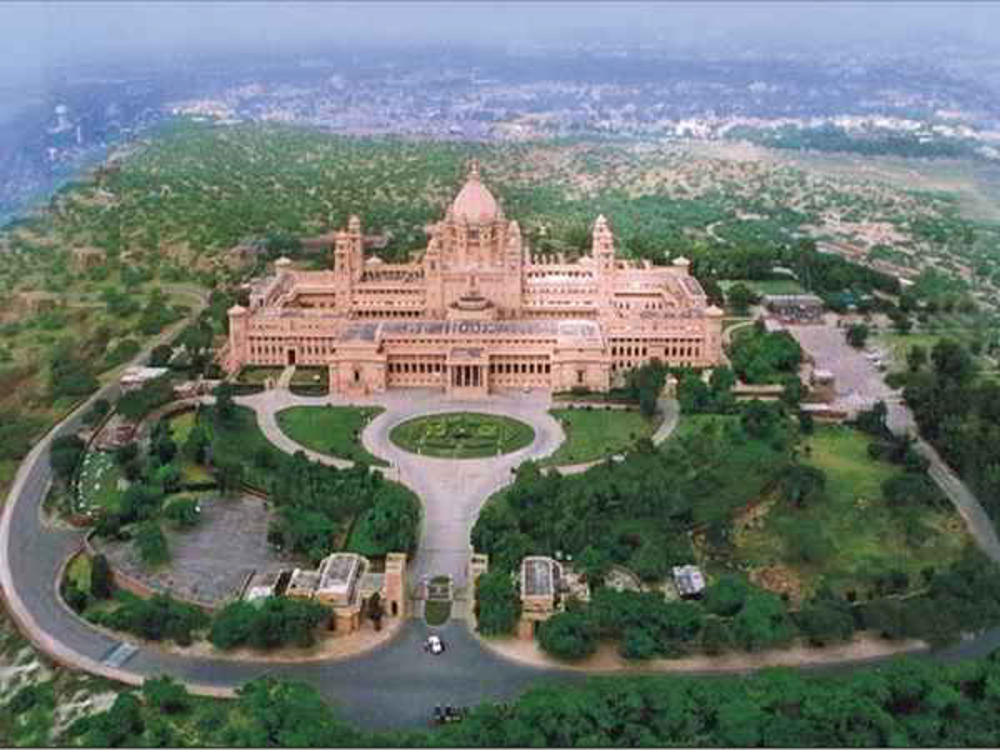
Rising majestically from the desert landscape of Rajasthan, the Umaid Bhawan Palace Jodhpur stands as a magnificent symbol of royal heritage, architectural brilliance, and timeless grandeur. Set atop the Chittar Hill—the highest point in the Blue City—this palace is not only one of the largest private residences in the world but also an enduring testament to Jodhpur’s regal past. Whether you’re a history enthusiast, an architecture admirer, or a traveler seeking luxury, Umaid Bhawan Palace Jodhpur offers an unforgettable experience that perfectly blends tradition and opulence. For travelers planning a royal journey from the Golden City, booking a Jaisalmer to Jodhpur Sightseeing taxi is an excellent way to explore the scenic desert route before witnessing the majestic charm of this iconic palace.
A Glorious Chapter in Rajasthan’s Royal History
The Umaid Bhawan Palace history dates back to the early 20th century, a time when Jodhpur faced a severe famine between 1929 and 1930. To provide employment to his people, Maharaja Umaid Singh of the Rathore dynasty commissioned the construction of this grand palace. Designed by the renowned British architect Henry Vaughan Lanchester, the palace was built in an extraordinary blend of Indo-Deco and Classical Revival architectural styles—a combination rarely seen in India.
Construction began in 1929 and took nearly 15 years to complete, finally concluding in 1943. The Umaid Bhawan Palace history reflects more than just the story of a building; it symbolizes the Maharaja’s compassion for his people and his vision for modernization. The palace was built using chittar sandstone, giving it its distinct golden hue—hence locals often call it “Chittar Palace.”
Architectural Brilliance of Umaid Bhawan
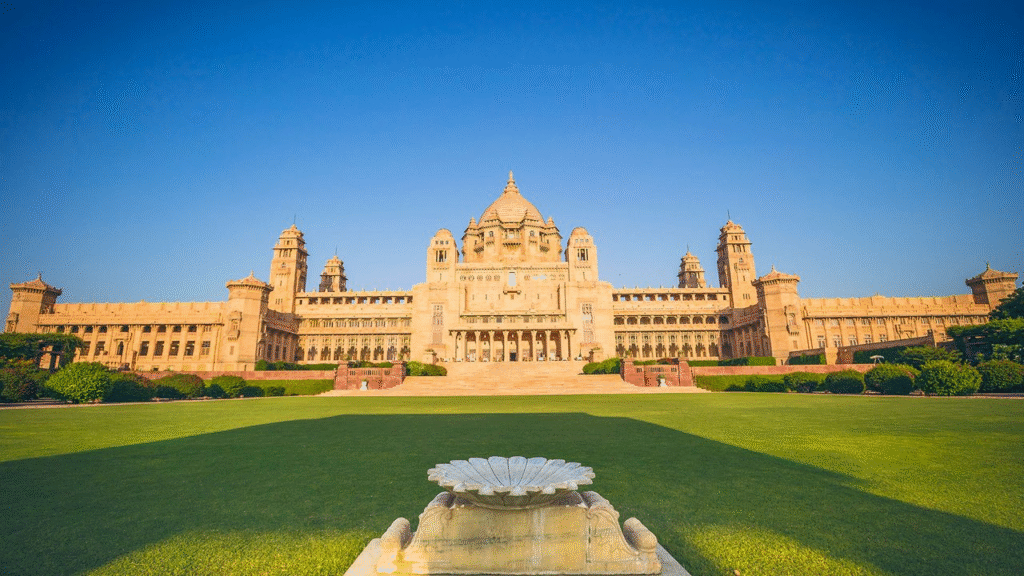
The Umaid Bhawan Palace Jodhpur is spread over 26 acres of lush gardens and occupies an area of more than 5 lakh square feet. It features 347 rooms, several courtyards, and beautifully designed halls. The grand central dome, standing at 110 feet, is inspired by the Renaissance style and adds to the palace’s majestic skyline.
Inside, the interiors combine Art Deco aesthetics with traditional Rajput elements. Marble floors, carved pillars, and antique furniture showcase the craftsmanship of artisans from Rajasthan and beyond. Every corner of the Umaid Bhawan Palace Jodhpur exudes royal elegance and timeless beauty, making it one of the finest examples of royal architecture in India.
Umaid Bhawan Palace Museum: A Walk Through History
A part of the palace is now open to the public as the Umaid Bhawan Museum, one of Jodhpur’s most popular attractions. The Umaid Bhawan Palace Museum houses an impressive collection that reflects the rich heritage of the Marwar royal family. Visitors can explore a variety of exhibits, including vintage clocks, weapons, antique furniture, and fascinating photographs of the royal family’s life.
One of the highlights of the Umaid Bhawan Palace Museum is its display of vintage cars owned by the Maharajas of Jodhpur. From classic Rolls-Royces to elegant Cadillacs, the collection is a must-see for automobile lovers. The museum also showcases exquisite murals, miniature paintings, and royal memorabilia that provide a deeper understanding of the Umaid Bhawan Palace history and its significance to Jodhpur’s legacy.
The Umaid Bhawan Museum is well-organized and offers multilingual information boards, helping visitors appreciate the exhibits in detail. The royal family still resides in a part of the palace, adding to the authenticity and charm of the experience.
Umaid Bhawan Palace Timings and Entry Fee
If you’re planning to visit, it’s important to know the Umaid Bhawan Palace timings and entry fee in advance. The Umaid Bhawan timings for the museum are from 10:00 AM to 4:30 PM, and it remains open all days of the week. The best time to visit is during the morning hours when the sunlight beautifully illuminates the sandstone walls, creating a golden glow across the palace grounds.
As for the Umaid Bhawan Palace timings and entry fee, Indian visitors typically pay a nominal fee of around ₹30, while foreign tourists may be charged around ₹100–₹200. Students can often avail of discounted entry with valid identification. The palace grounds are spacious, so plan to spend at least 1–2 hours exploring the Umaid Bhawan Museum and its surroundings.
The Royal Residence and Taj Hotel Experience
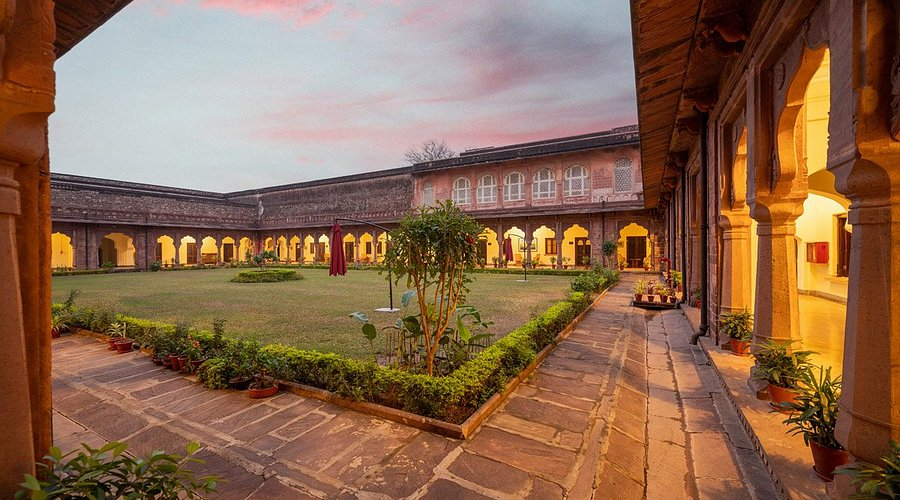
The Umaid Bhawan Palace Jodhpur is divided into three functional sections: the royal residence, the museum, and the luxury hotel managed by Taj Hotels. The private residence still houses Maharaja Gaj Singh II and his family, while the Taj Umaid Bhawan Palace offers a luxurious experience that has earned global recognition—including being named the “World’s Best Hotel” by TripAdvisor Travelers’ Choice Awards.
Staying at the Umaid Bhawan Palace Jodhpur hotel allows guests to relive the grandeur of Rajasthan’s royal era. The suites and rooms are decorated with period furniture, hand-painted murals, and lavish amenities. The hotel also features heritage dining options, a spa, and guided tours that offer insights into Umaid Bhawan Palace history and culture. Guests can enjoy a traditional Rajasthani meal under the stars or take part in curated experiences that celebrate the regal lifestyle.
The Surrounding Beauty of Jodhpur
While the Umaid Bhawan Palace Jodhpur is a crown jewel, the city itself—often called the “Blue City”—offers plenty of attractions nearby. From the towering Mehrangarh Fort to the serene Jaswant Thada and bustling Sardar Market, Jodhpur presents a captivating mix of history, culture, and color.
The panoramic view of the city from the palace gardens is particularly breathtaking. The blue-painted houses that stretch across the old city contrast beautifully with the golden palace, creating one of the most photogenic landscapes in India. Exploring the Umaid Bhawan Palace Museum and its surroundings gives visitors a comprehensive sense of Jodhpur’s rich royal past and vibrant present.
Cultural Significance and Modern Legacy
The Umaid Bhawan Palace history also intertwines with the evolution of modern Jodhpur. It stands as a symbol of resilience and vision, representing the shift from traditional monarchy to a more modern form of governance. Even today, the palace remains an active center for cultural and charitable events organized by the royal family.
For architecture enthusiasts, the Umaid Bhawan Palace Jodhpur serves as an educational marvel that showcases early 20th-century engineering and design innovation. The palace was one of the first in India to use modern amenities like elevators and an underground heating system—a remarkable feat for its time.
Best Time to Visit Umaid Bhawan Palace Jodhpur
The ideal time to visit the Umaid Bhawan Palace Jodhpur is between October and March, when the weather is pleasant for sightseeing. Winter months also enhance the visual appeal of the palace, with clear skies and soft sunlight creating perfect photo opportunities. Visitors should allocate ample time to explore not only the Umaid Bhawan Museum but also the gardens and viewing points that surround the palace.
Travel Tips for Visitors
Check Umaid Bhawan timings before you go to avoid last-minute inconvenience.
- Photography is allowed in most areas of the Umaid Bhawan Palace Museum, but always confirm with the staff.
- Combine your visit with nearby attractions like Mehrangarh Fort and Clock Tower Market for a complete Jodhpur experience.
- For a royal stay, consider booking a night at the Taj Umaid Bhawan Palace Jodhpur—it’s worth every moment.
- Don’t miss the evening view when the palace glows under golden lights—a sight that truly captures the magic of Rajasthan.
Conclusion
The Umaid Bhawan Palace Jodhpur is not just a monument—it’s a living legacy of Rajasthan’s royal splendor. Its history, architecture, and royal heritage make it one of India’s most iconic landmarks. Whether you’re exploring the Umaid Bhawan Museum, admiring the palace’s architectural details, or indulging in royal luxury at the Taj Hotel, every moment spent here feels like stepping back in time.
From its compassionate beginnings during famine relief to its modern-day grandeur, the Umaid Bhawan Palace Jodhpur remains a symbol of generosity, artistry, and timeless royalty. If you wish to experience the true essence of Jodhpur’s royal past, this palace is the perfect gateway into the world of kings and legends.